How precise is a ground microphone survey?
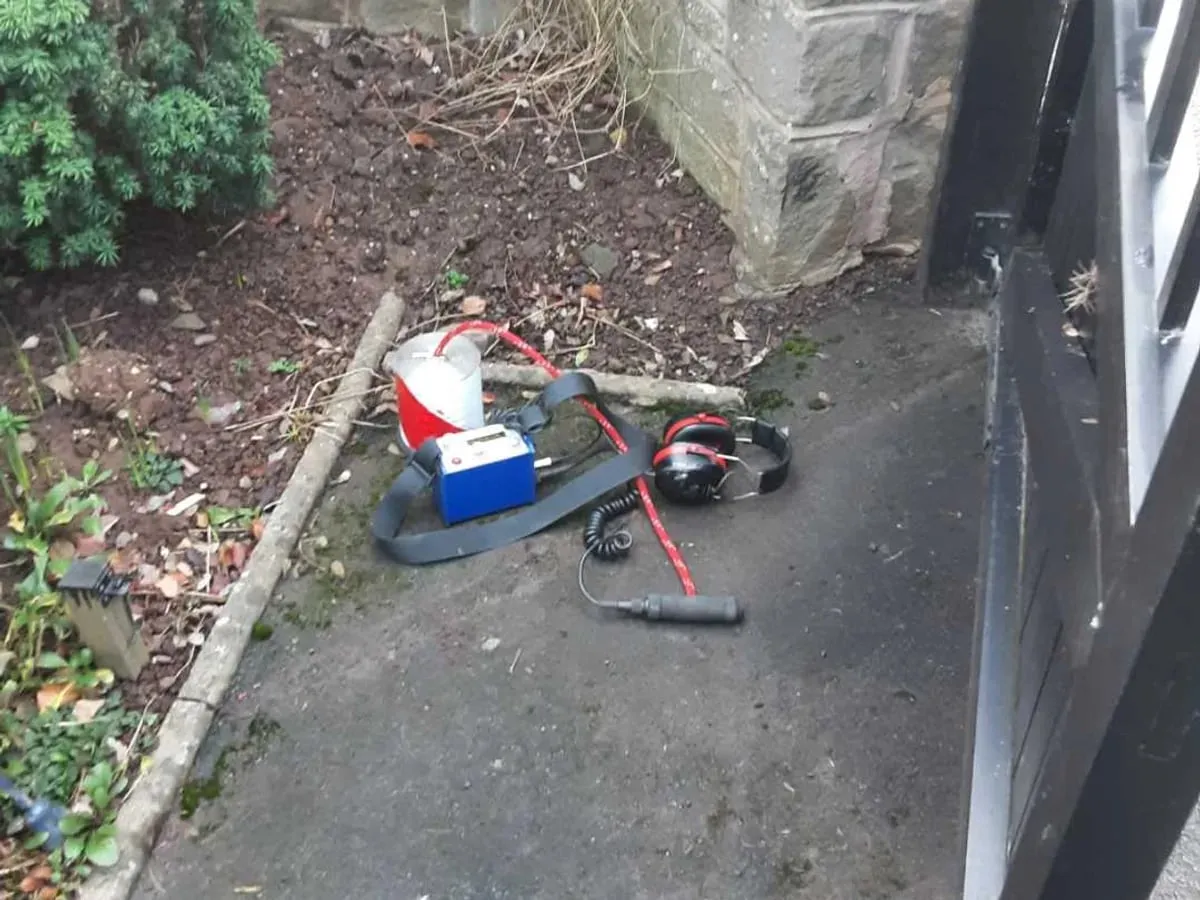
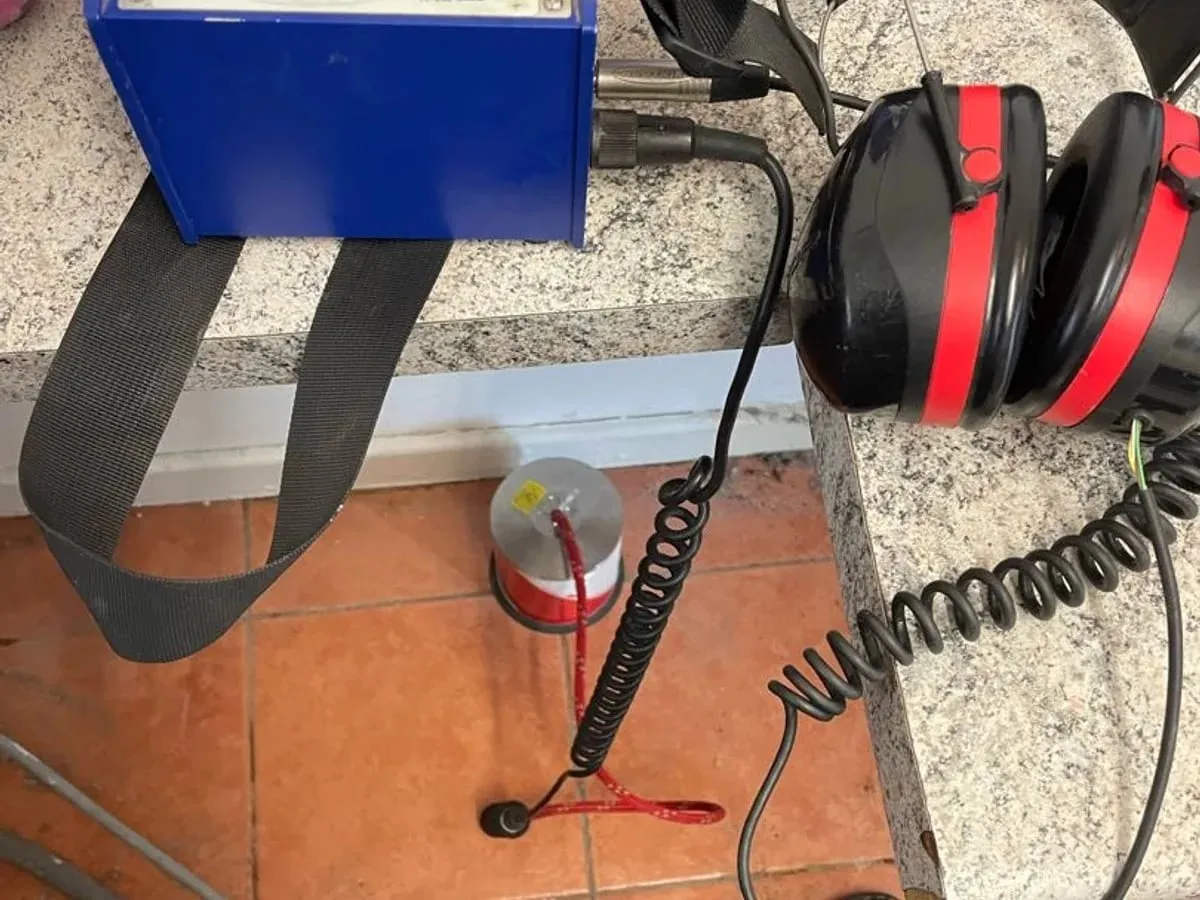
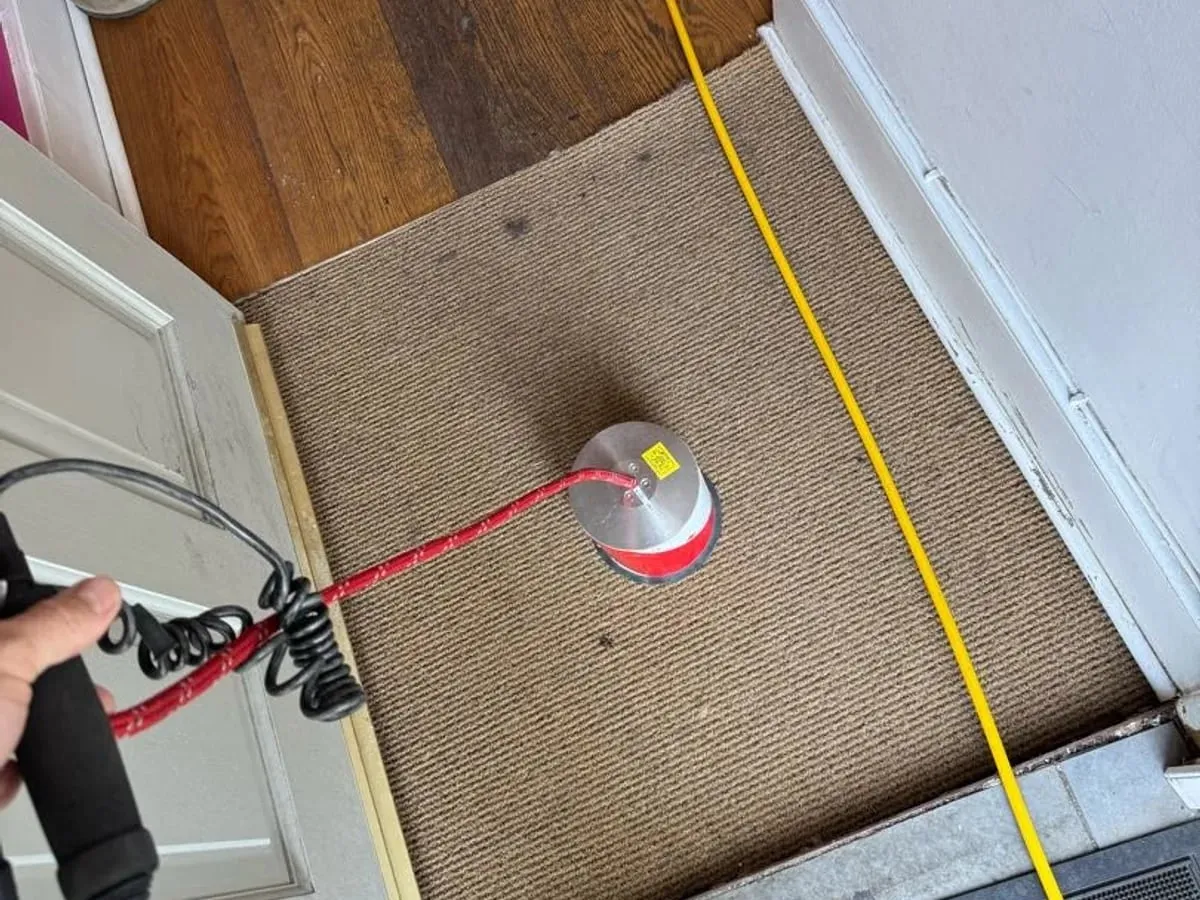
Acoustic detection is precise enough that, on many suitable jobs, the engineer can point to one spot and open a small hole to reach the pipe. One customer on our reviews page describes a single tile being lifted to reach a leak under a kitchen floor. How small that spot is depends on the conditions, which change from job to job.
What affects acoustic leak detection accuracy
- Pipe material. Copper, lead and iron carry the hiss well. Plastic (blue MDPE supply pipe, underfloor heating pipe) damps it, so the loudest point is less sharp.
- Pressure and leak size. A pipe at full mains pressure with a split makes more sound than a low-pressure pipe with a pinhole.
- What the pipe is buried in. Concrete, screed and compacted ground carry sound. Loose soil, gravel and voids soak it up.
- Depth. The deeper the pipe, the more the sound spreads before it reaches the surface.
- Background noise. A quiet street and a house with everything switched off make a big difference.
How engineers confirm the leak position
Precision comes from method as much as from the microphone. The engineer listens along the whole route and compares every stop, then tightens the spacing around the loudest point. Where there is any doubt, a second method checks the same spot: tracer gas rising through the ground, a thermal camera showing a warm plume from a heating pipe, or a pressure test on each section.
When two independent methods agree, the engineer can open up with confidence. That cross-check helps keep holes small and makes a second dig less likely.
When acoustic readings can mislead
Sound can travel along a pipe and appear loudest where the pipe bends or comes nearest the surface. Looped pipework, such as underfloor heating, can make a leak seem to sit on the wrong length. Other noises (a pump, a toilet refilling next door, a busy road) can be mistaken for a leak by an untrained ear. These are the reasons listening is used as part of an investigation, alongside other methods, and why engineers do not open up on a single reading.
Accuracy on real ADI jobs
The case studies further down this page are ADI jobs where listening and a second method pointed to the same area, and the leak was found there. Customers’ own reviews describe the same thing, from a leak under a travertine kitchen floor found by lifting one tile, to an underground supply leak located by sound and then gas before the turf came up.